Imitation is the sincerest form of flattery
On his blog, KAAPELI’s managing director shares thoughts on current topics.
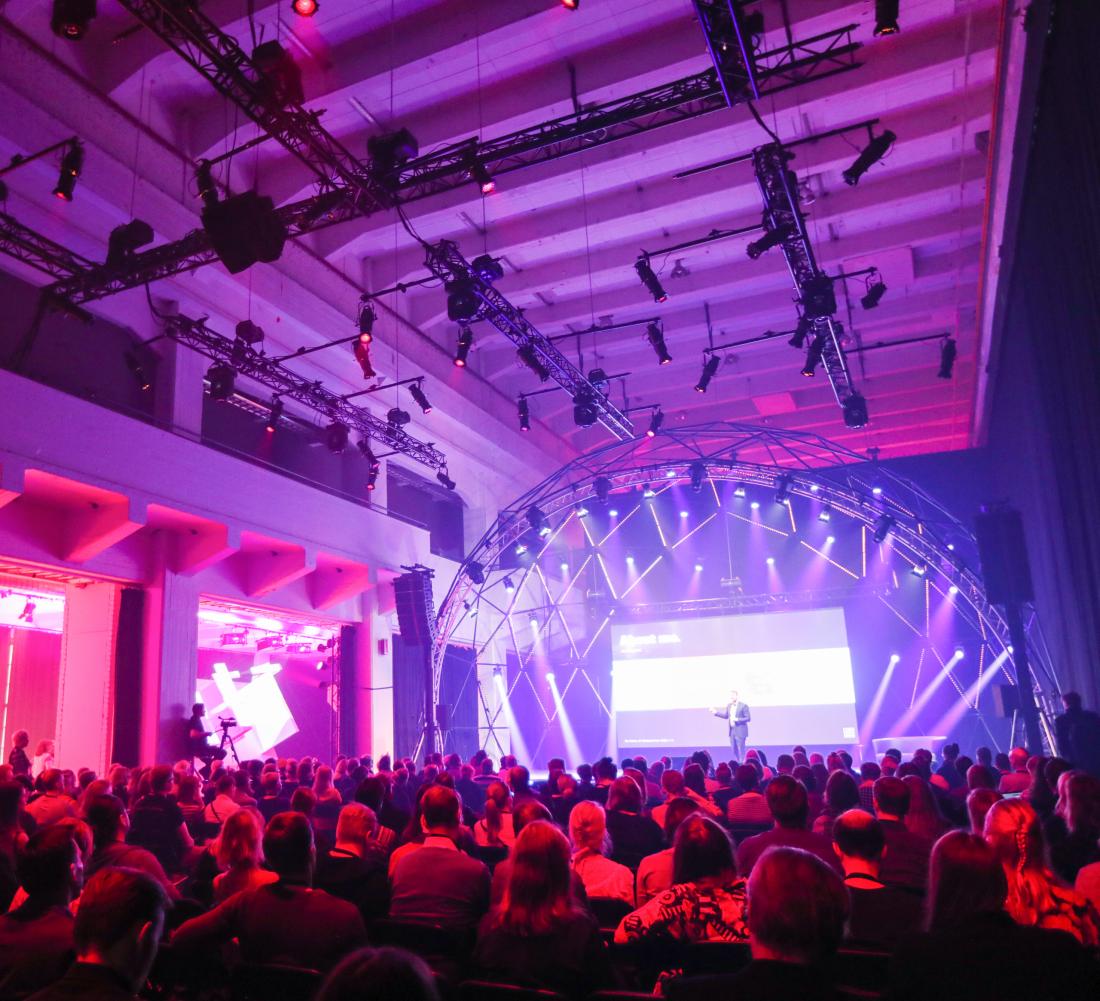
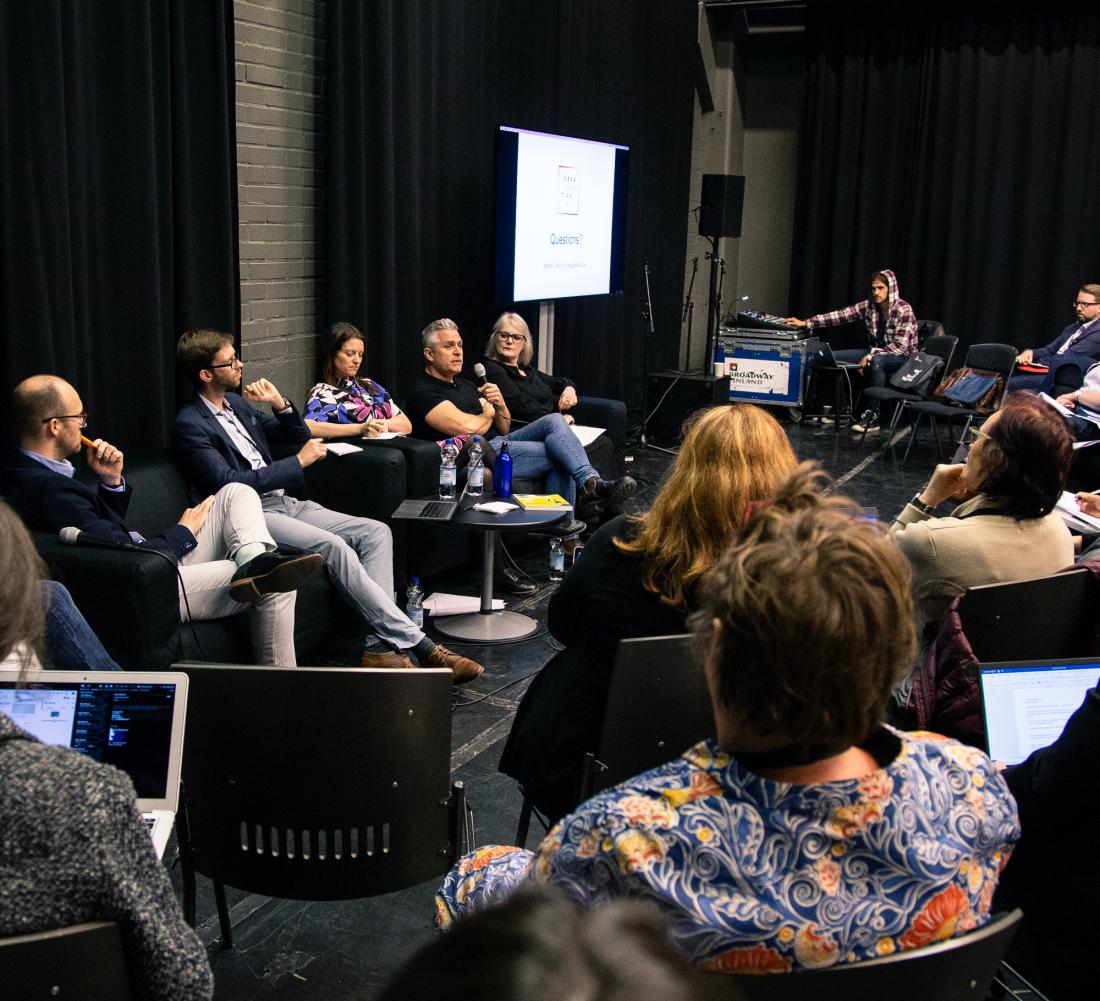
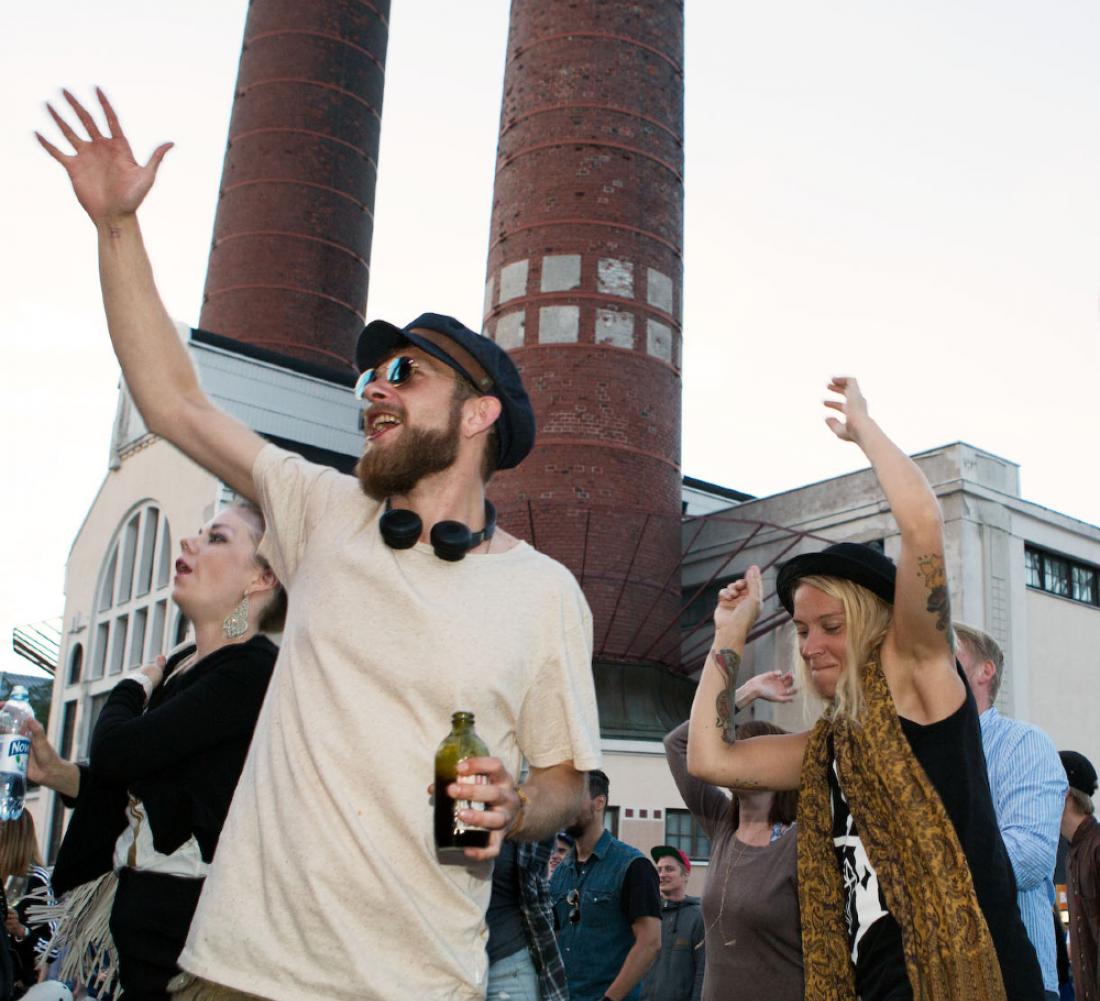
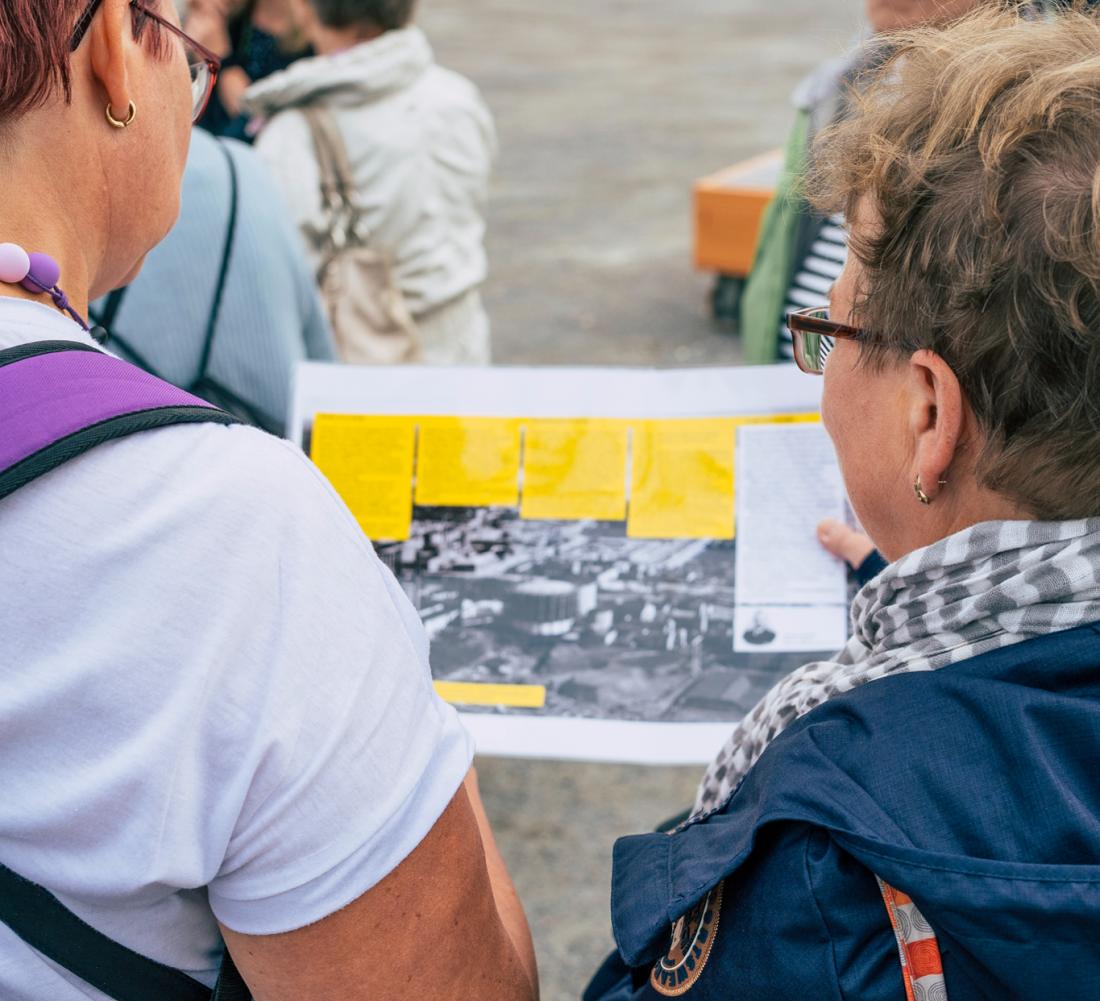
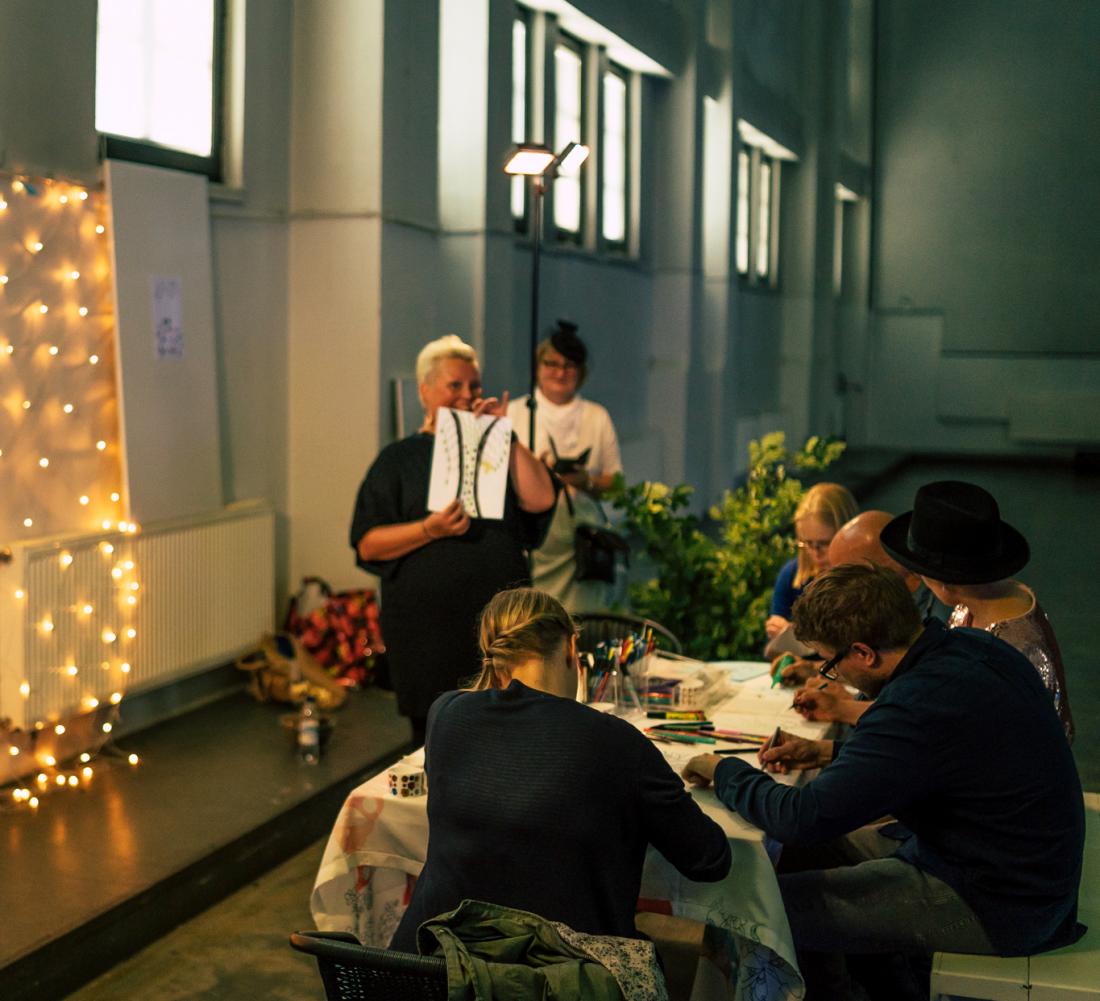
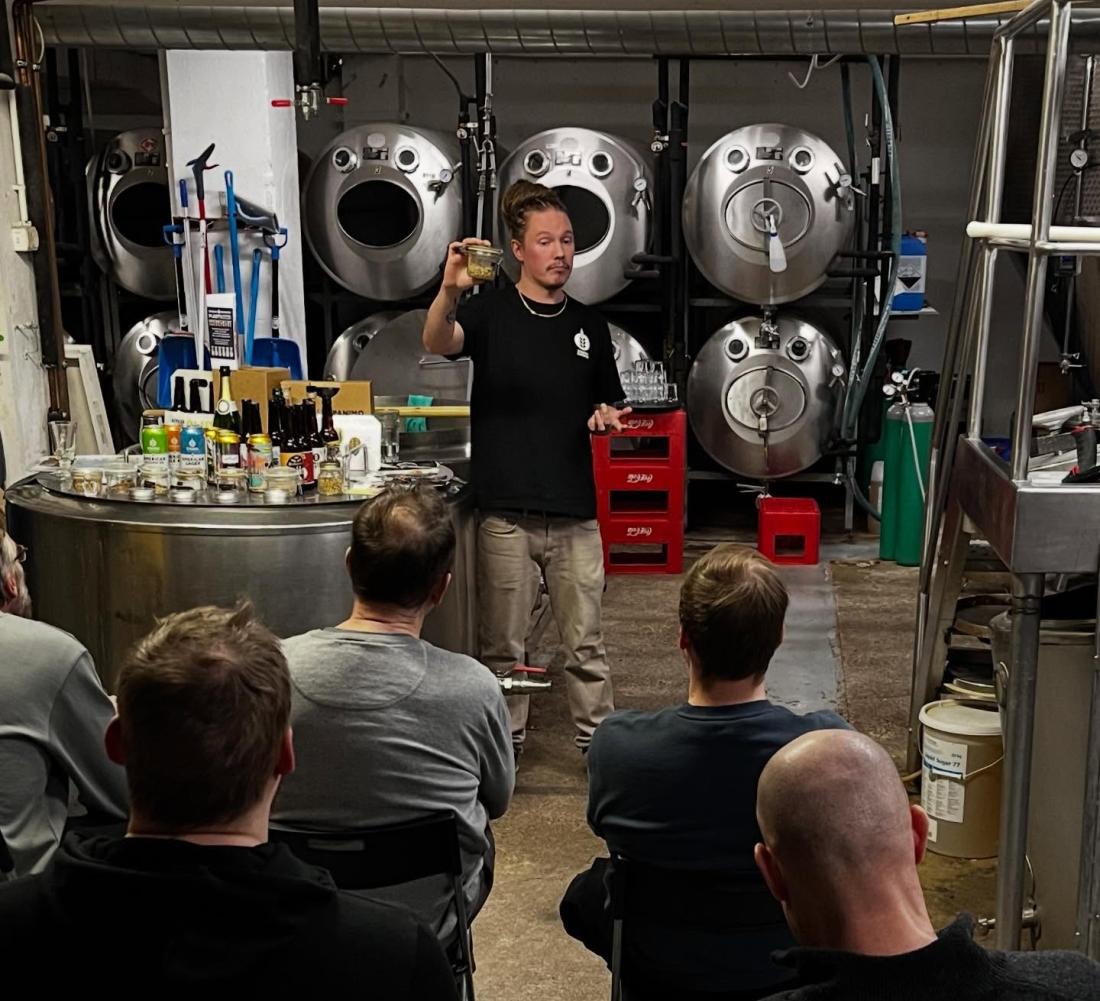
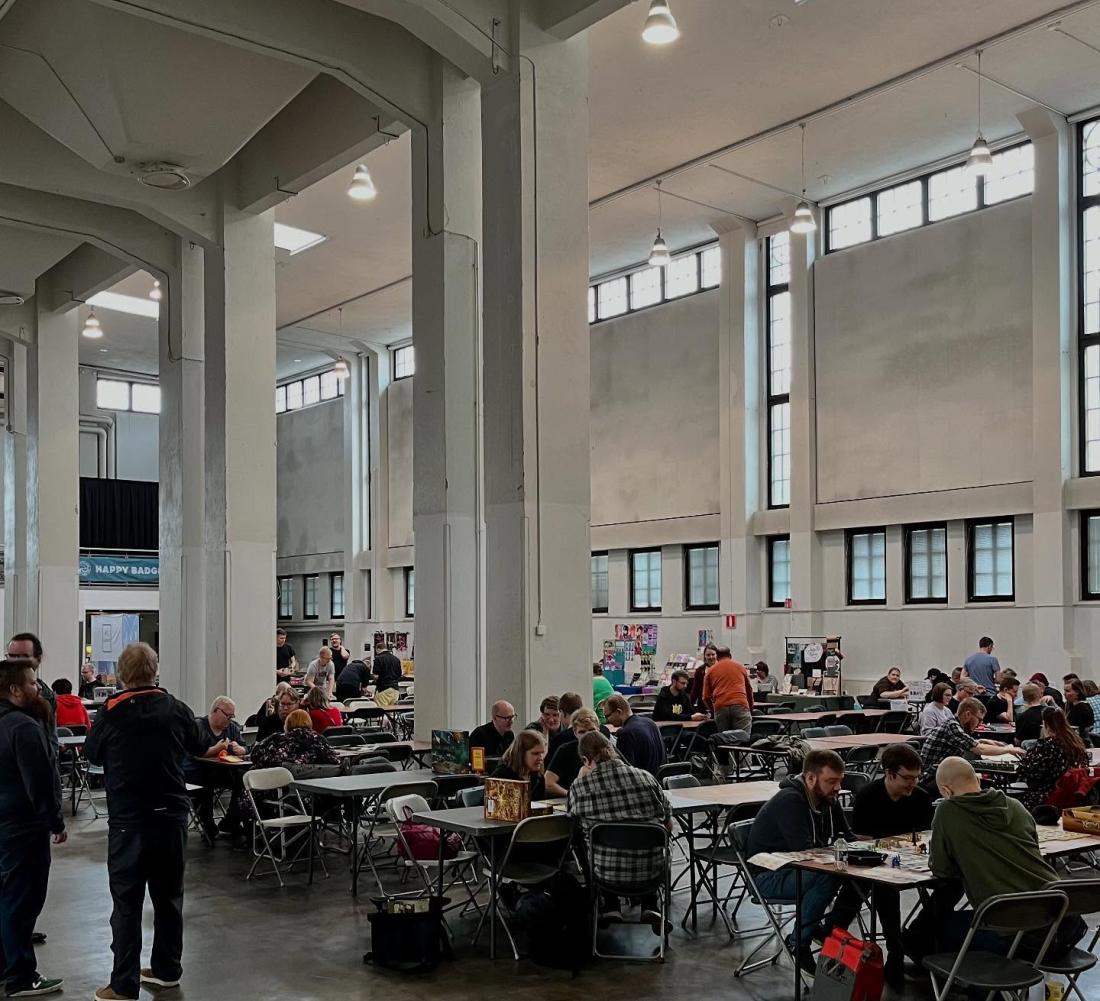
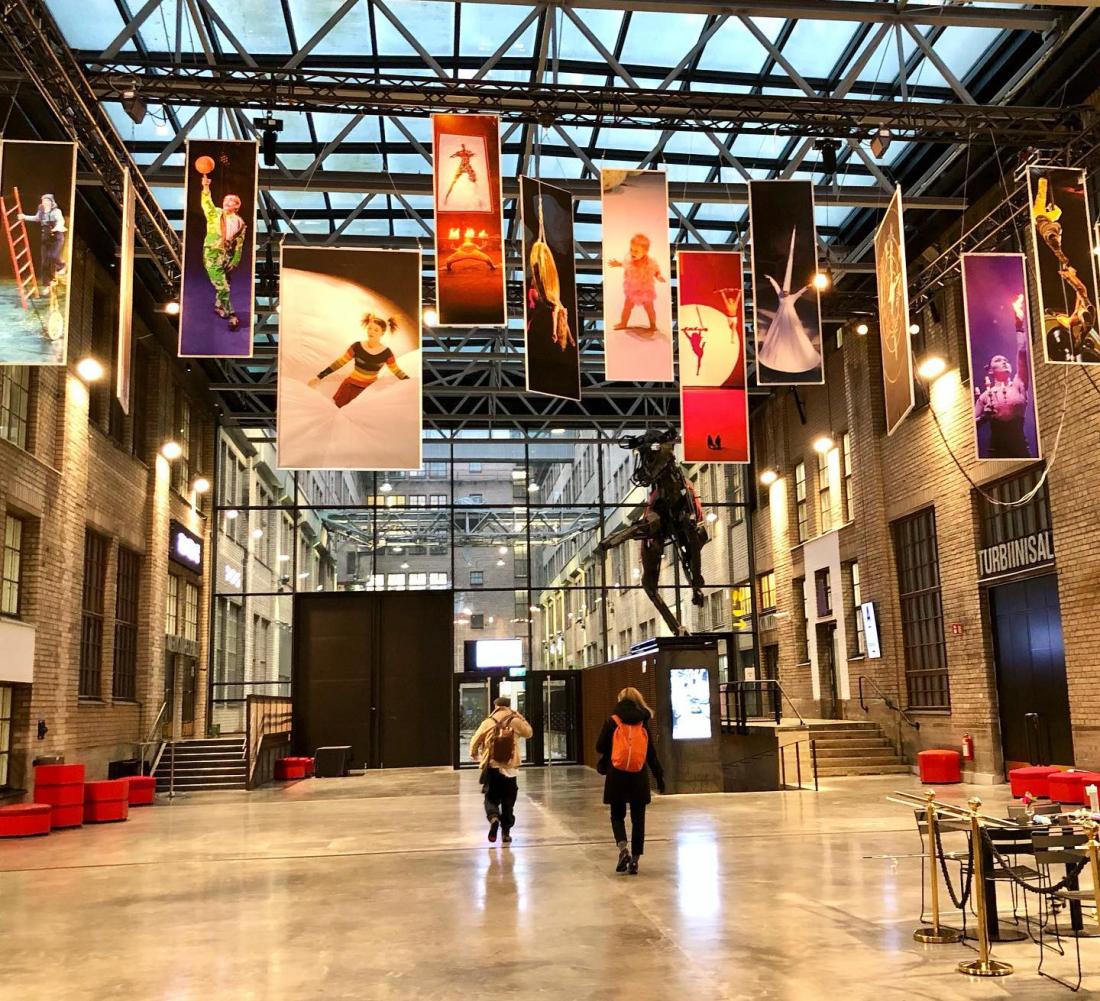
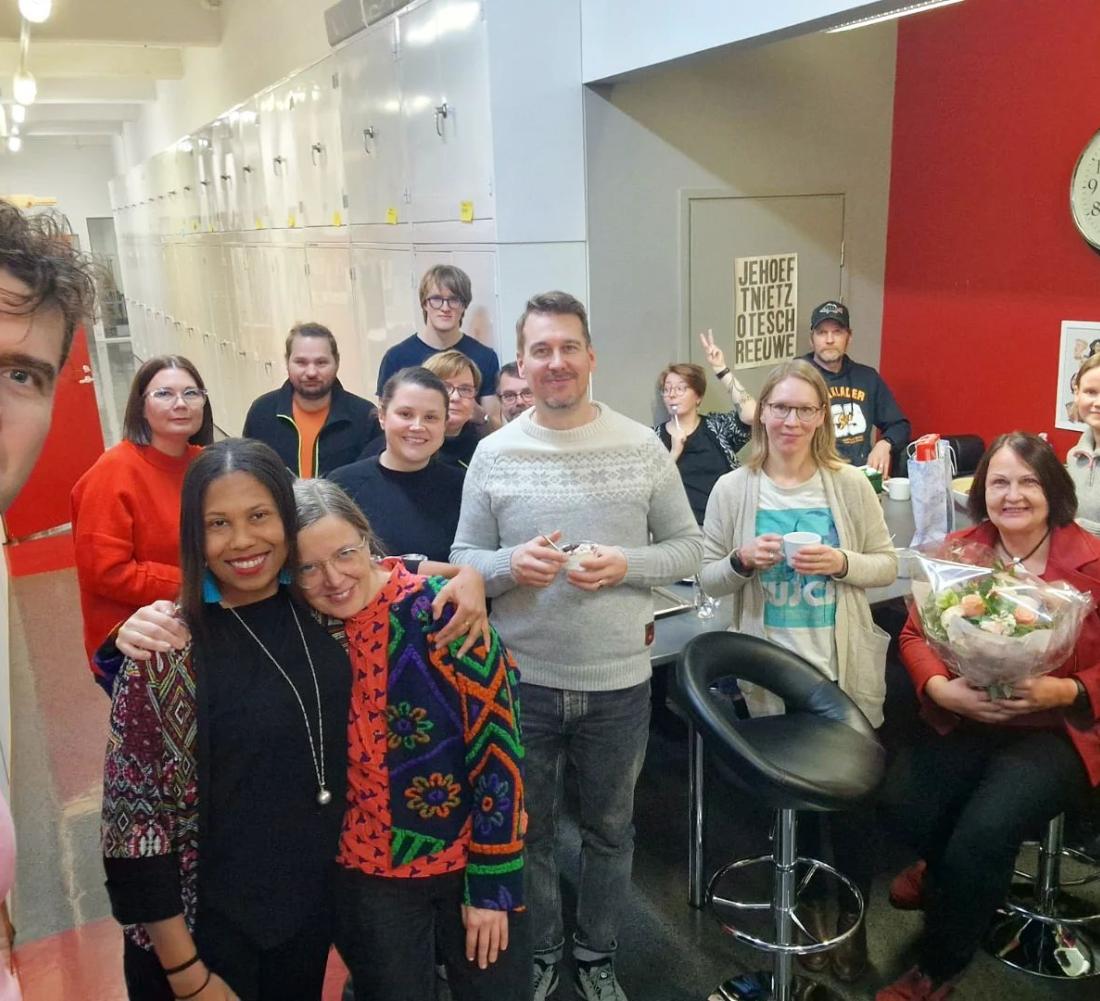
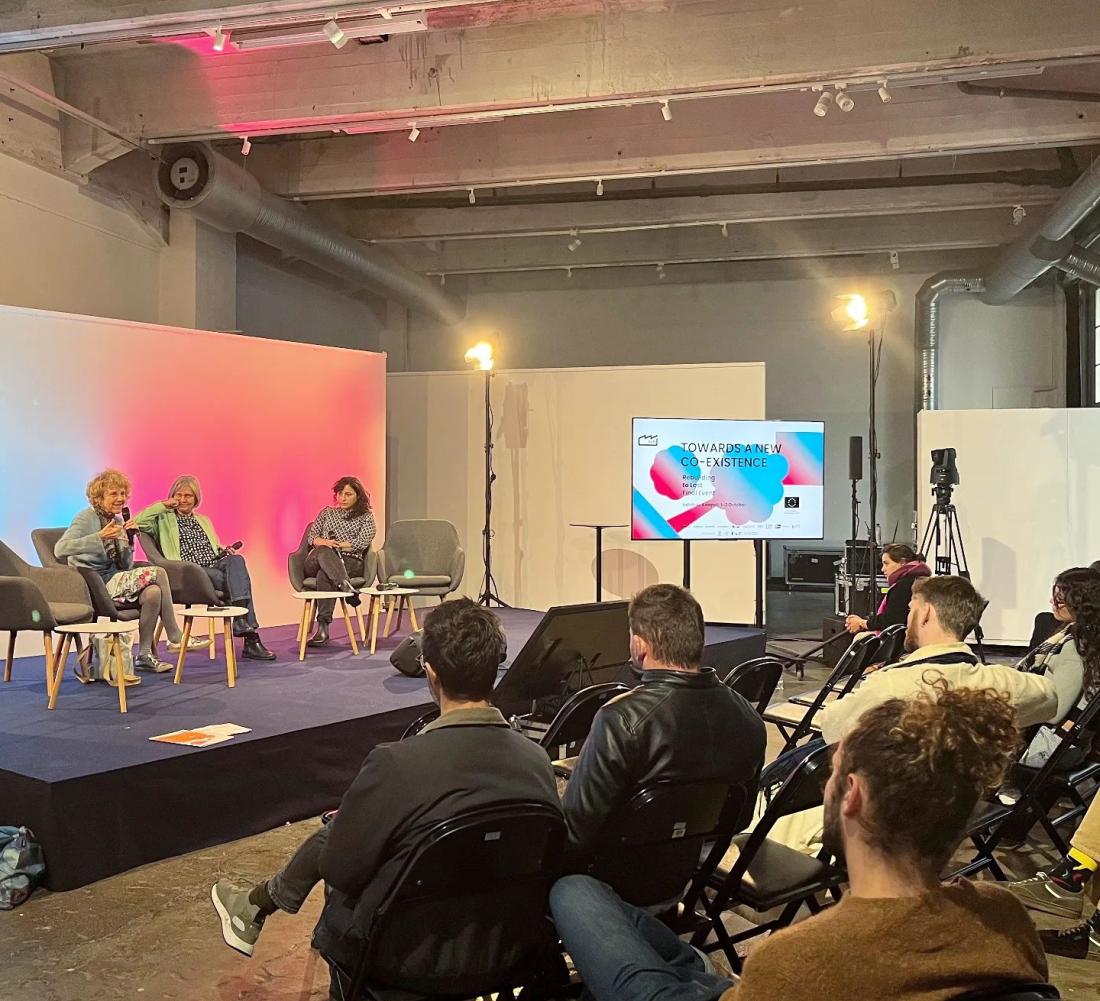
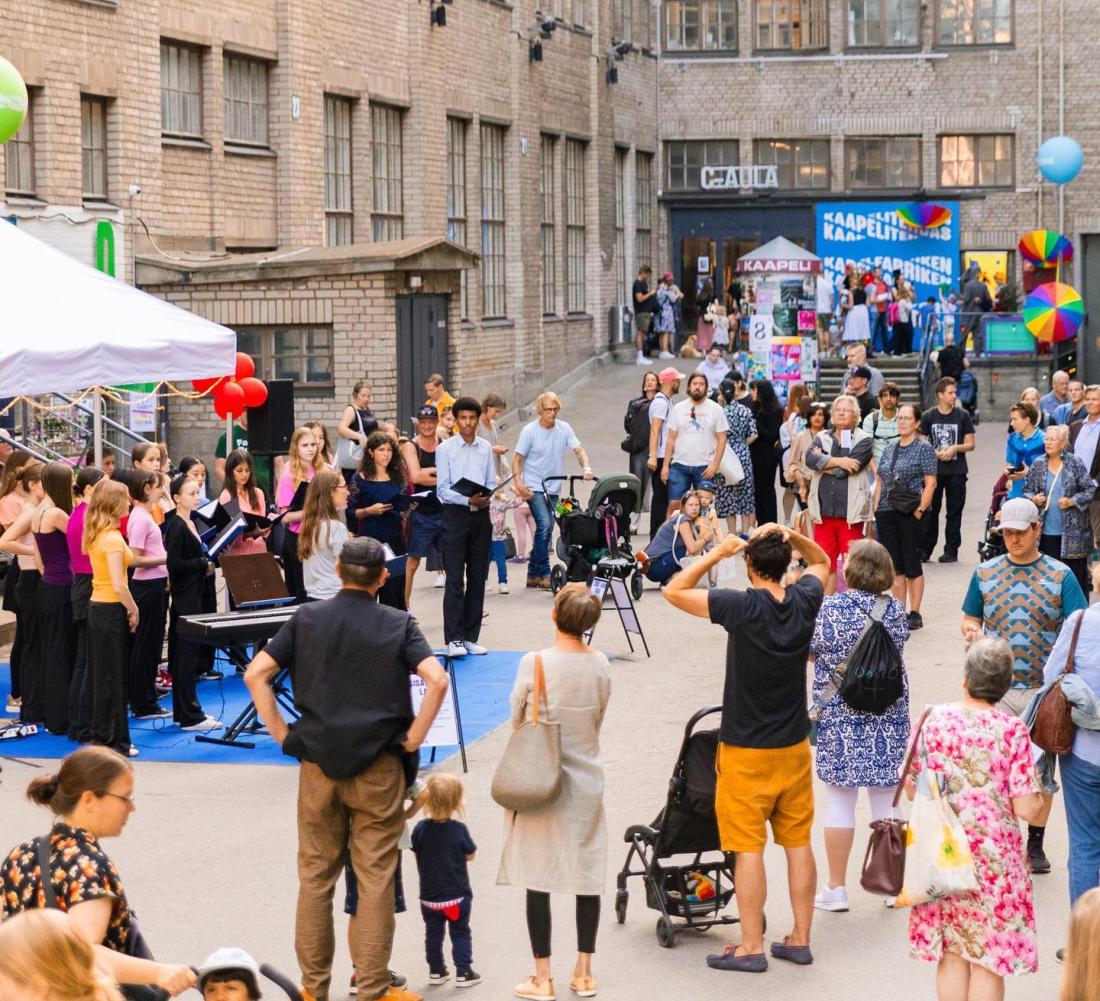
"Imitation is the sincerest form of flattery," wrote Charles Caleb Colton in his 1820 work Lacon. This phrase came to mind in mid-September when we hosted the Creative Land Trust Summit at KAAPELI’s premises. The event gathered around 100 cultural sector professionals from 34 cities across four continents to discuss how affordable workspaces can be guaranteed for artists, cultural organizations, and creative operators. A key focus was sharing best practices with one another.
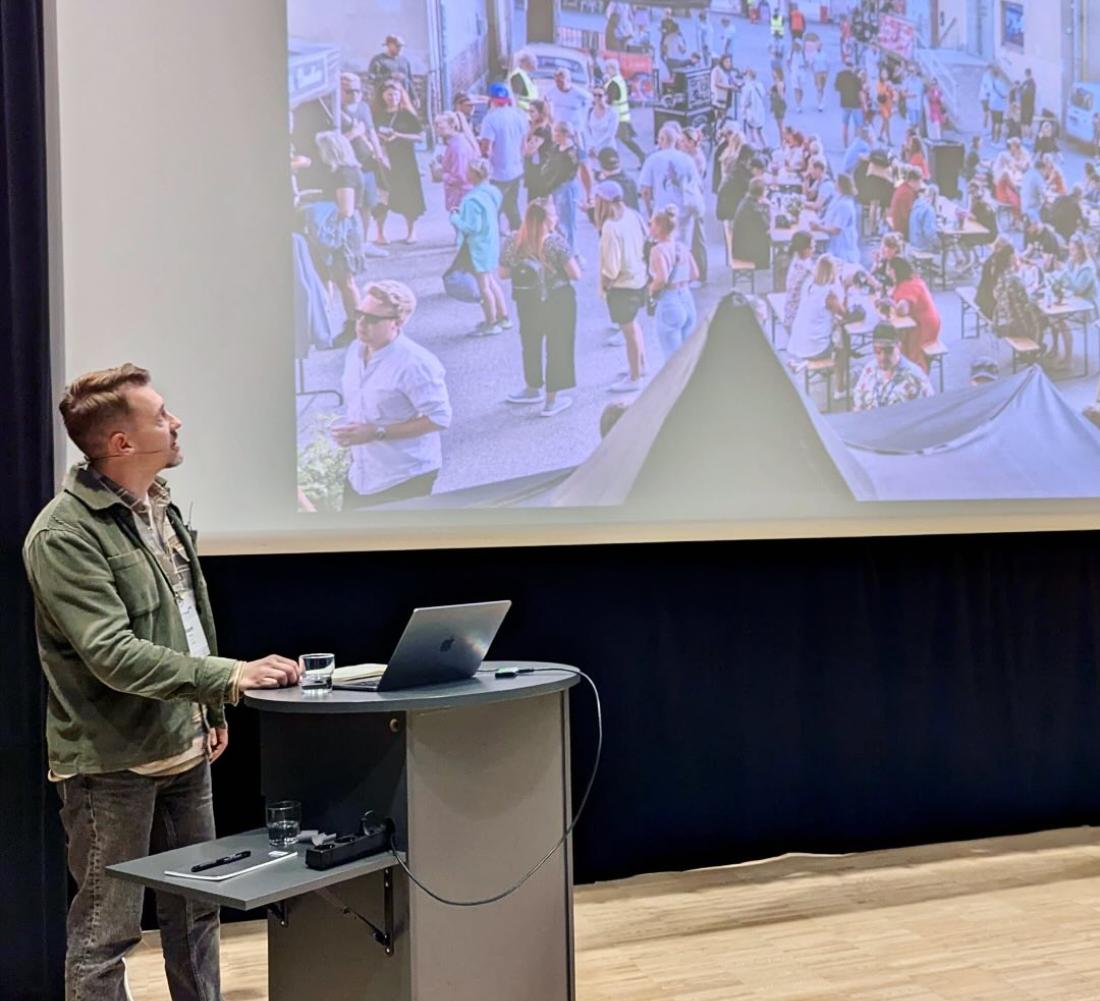
I had the opportunity to give a speech at the event about the importance of international cooperation. The core theme of my speech was the idea that we are stronger the more we are willing to learn from each other.
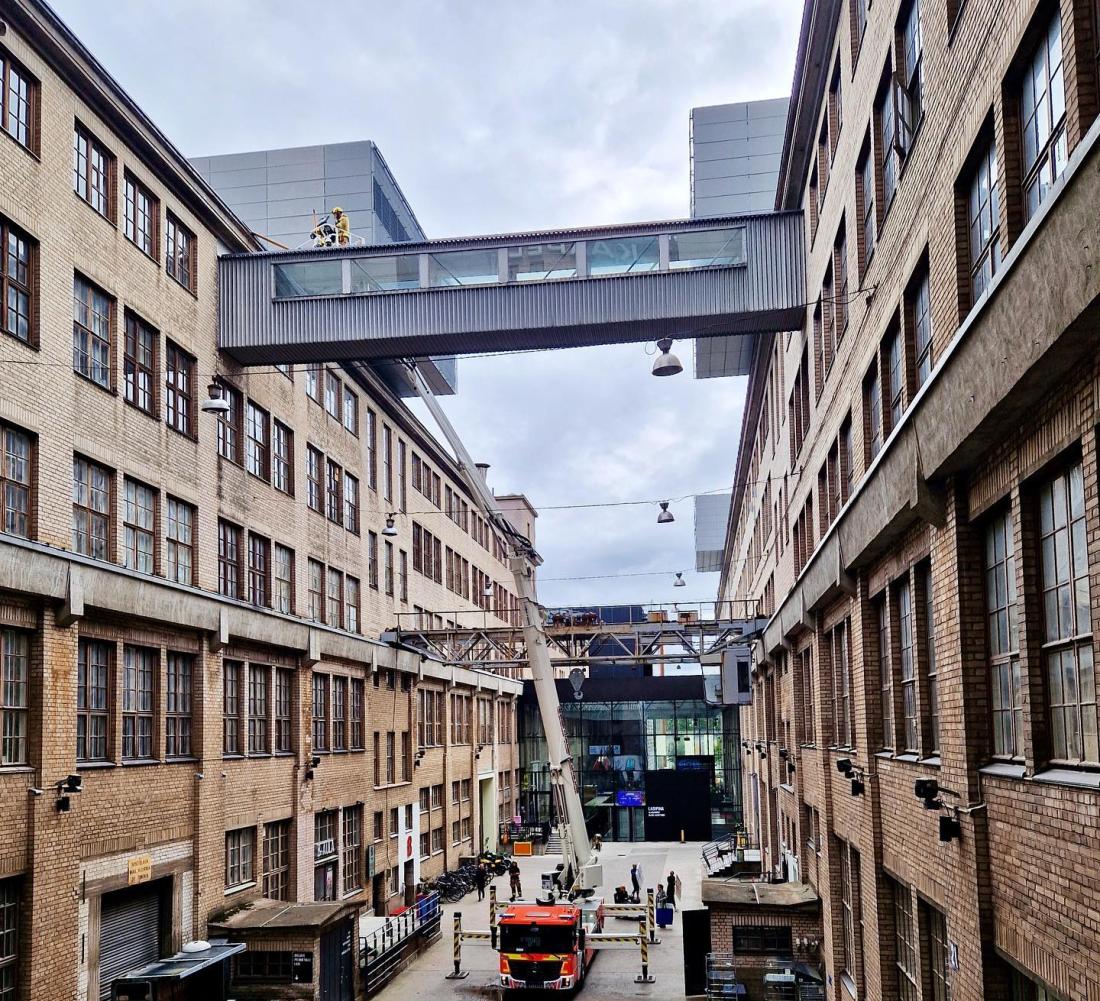
KAAPELI was founded 35 years ago on the brink of Finland’s worst economic recession. Good advice was sorely needed when money was tight and Finland's largest building (up until the 1970s) had to be converted for cultural use. Consequently, lessons were sought from abroad as well as from other sectors of society.
KAAPELI’s ownership-based business model was inspired by municipal housing construction and the companies that manage them. Why couldn't a cultural center be run on the same principle? It was decided to give this a try, and the Cable Factory property was handed over to KAAPELI, the real estate company established by the city. Rental income from the spaces was calculated to be sufficient not only for renovating the facilities but also for running the company's operations.
Instead of a traditional, complete overhaul, the renovation was carried out in phases. This ensured that the cultural center never had to close, and building systems were only repaired when they reached the end of their lifespan. This saved costs and prevented interruptions in rental income. The model was drawn from the experiences of European cultural centers located in industrial properties.
At the turn of the millennium, as renovations and the recovery of the Finnish economy caused rents at Cable Factory to rise beyond the reach of cultural tenants, KAAPELI again had to look outside for models. The concept of tiered pricing was found in shopping malls, whose appeal is based on a diverse range of services, even if all service providers cannot afford to pay the highest possible rent.
Since then, we at KAAPELI have been inspired countless times by the solutions of our European peers, whether regarding restrooms, signage, interior design elements, ways to combat climate change, consumer services, or involving the tenant community. Information has also flowed in the other direction. For example, Telliskivi in Tallinn was originally inspired by Cable Factory. Maltfabriken in Ebeltoft, Denmark, has also visited us to learn for their own operations. The Nová Cvernovka cultural center in Bratislava brought not only their staff but also local politicians to Helsinki to introduce them to the KAAPELI model, and the Creative Land Trust in the city of Calgary has named KAAPELI as one of its role models.
Thus, Colton’s phrase lives and functions well among cultural centers even two hundred years later. For instance, we would be deeply flattered if someone were to replicate our practice of accepting artwork deposits instead of cash security deposits from artist tenants. Being copied is a point of pride.
- Kai Huotari, managing director of KAAPELI