Events create new forms of community
On his blog, KAAPELI’s managing director shares thoughts on current topics.
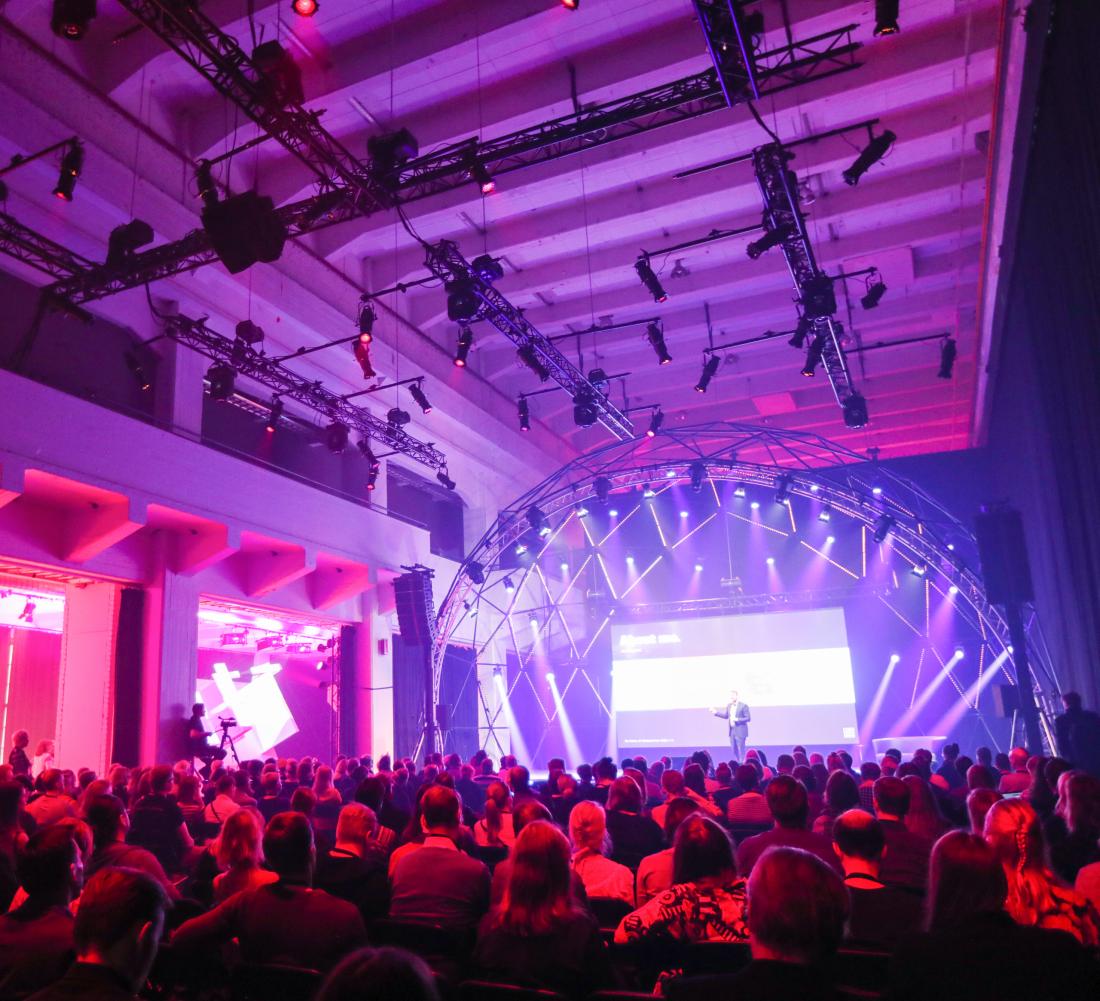
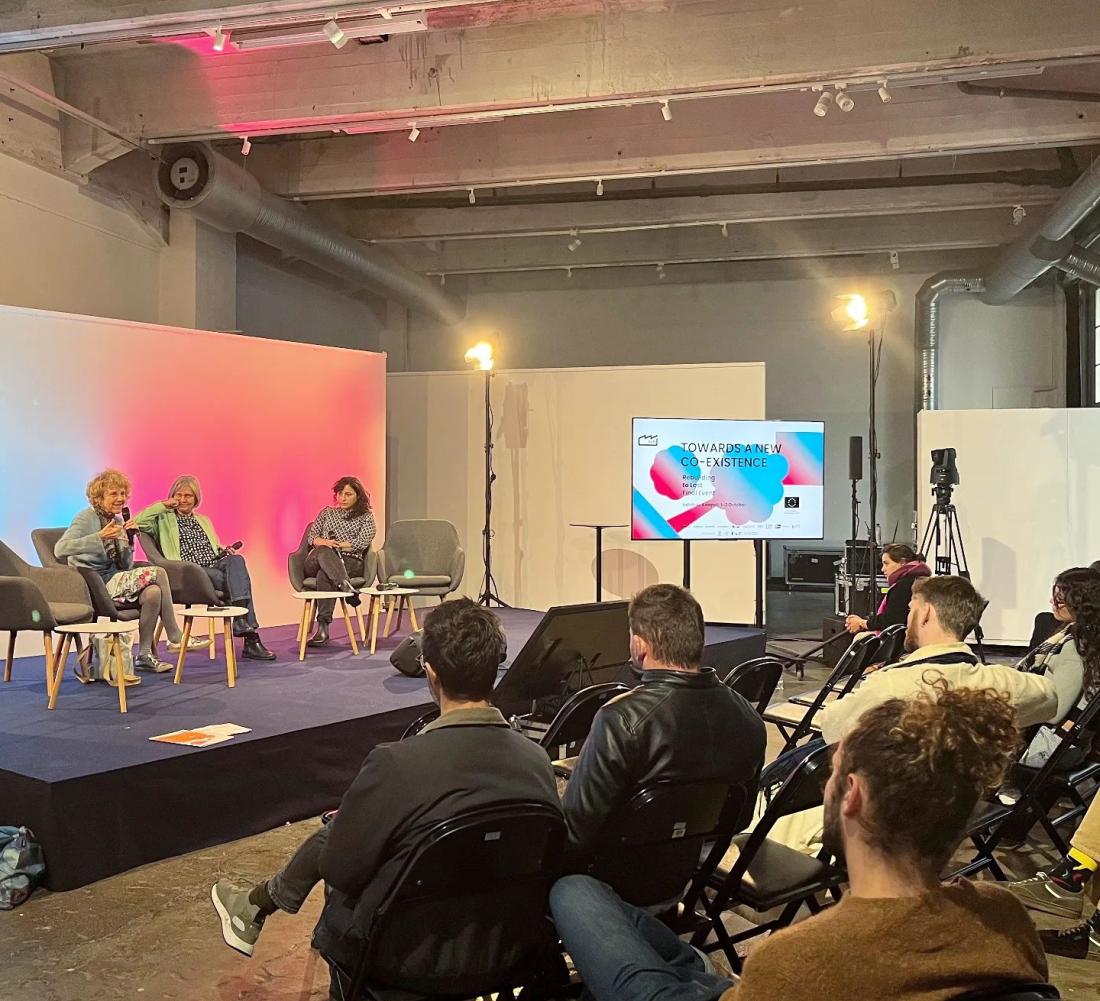
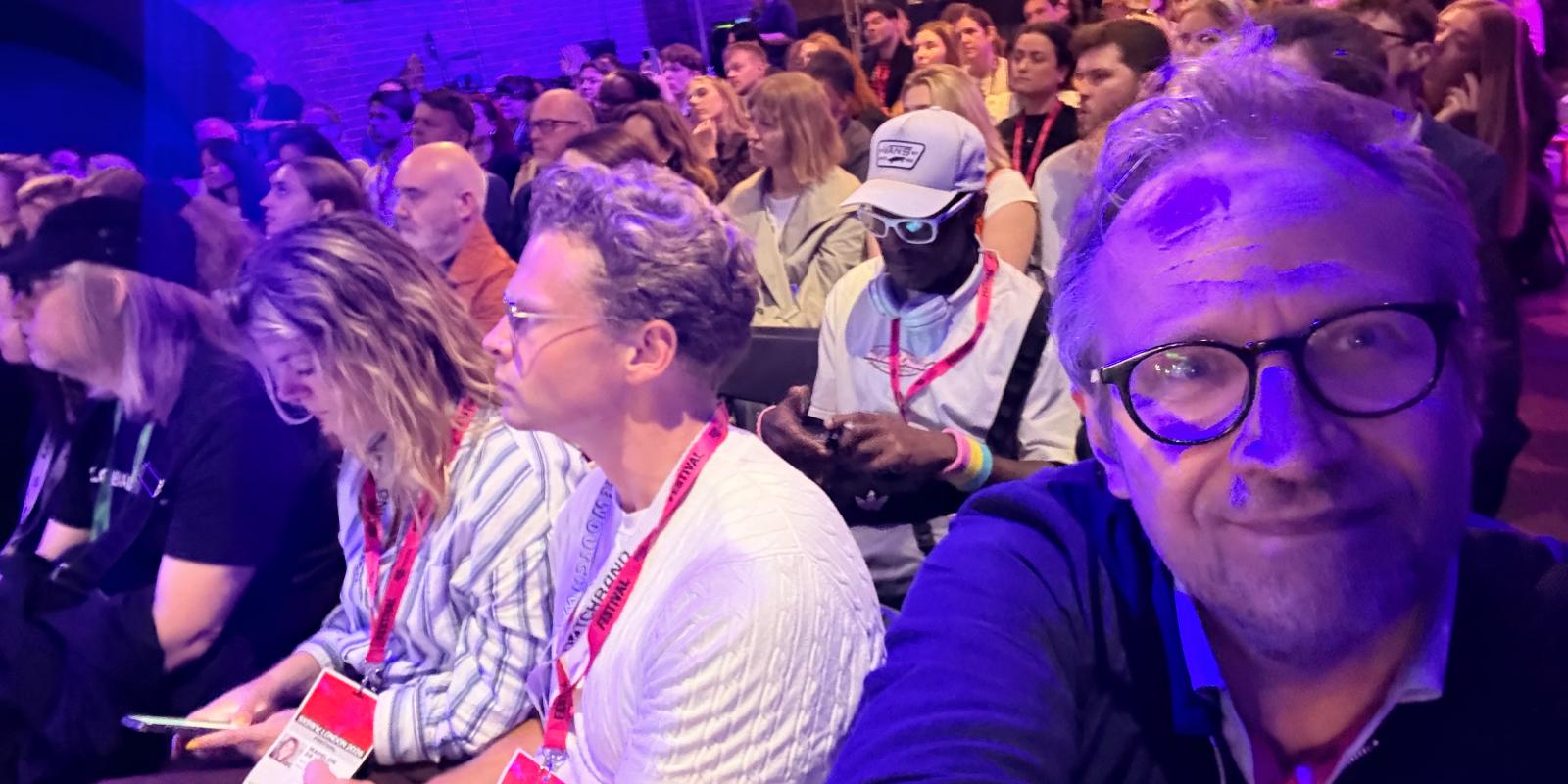
I attended the South by Southwest (SXSW) London event at the beginning of June. The festival, which originated in Austin in the 1980s, has grown over the decades into one of the most significant conferences covering trends in culture, media, technology, and business. In 2025 it made its way to Europe, with SXSW London being held for the first time.
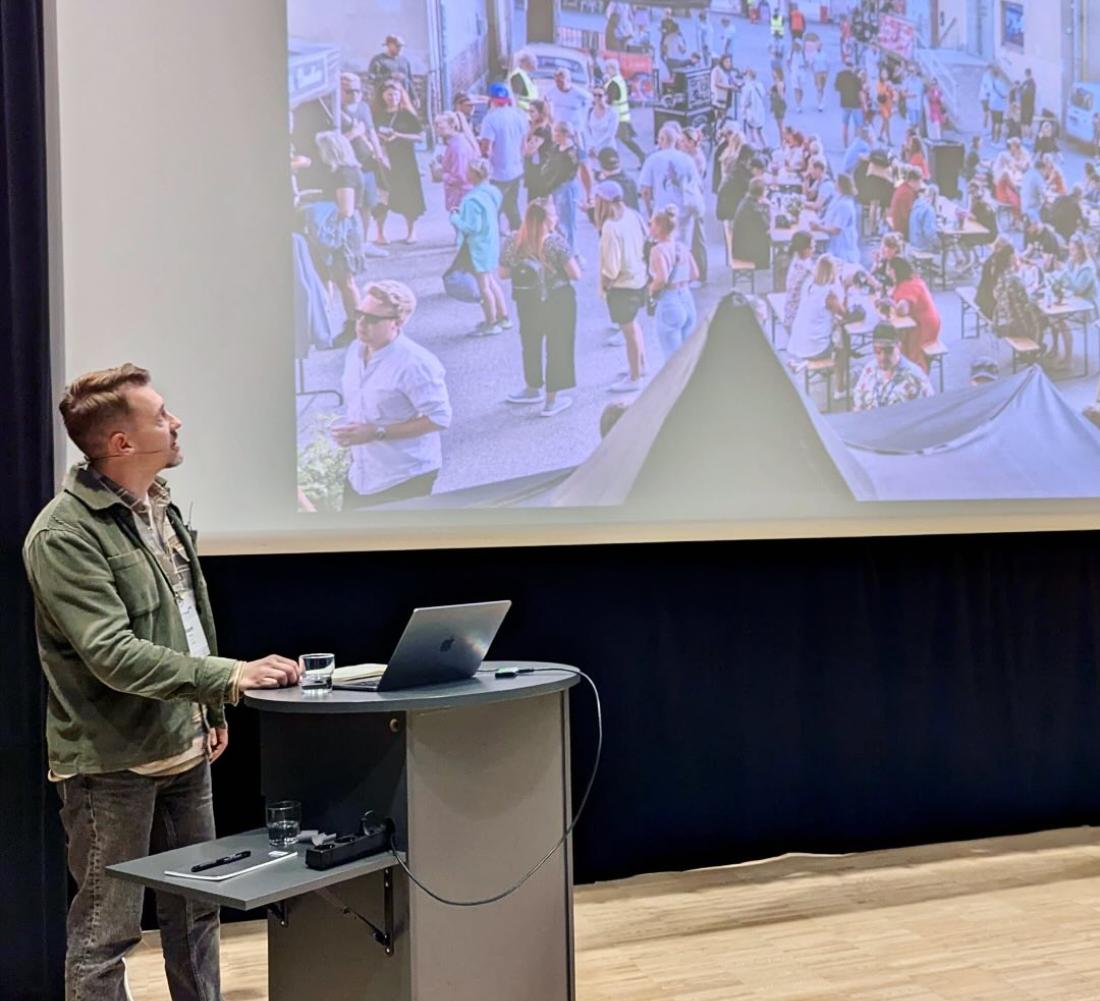
One of the most memorable presentations at this year's conference was a talk by Alex Mahon of Superstruct Entertainment on the significance of events. According to Mahon, one of the paradoxes of our time is that even as technology enables increasingly sophisticated ways for people to connect, loneliness is felt more than ever before.
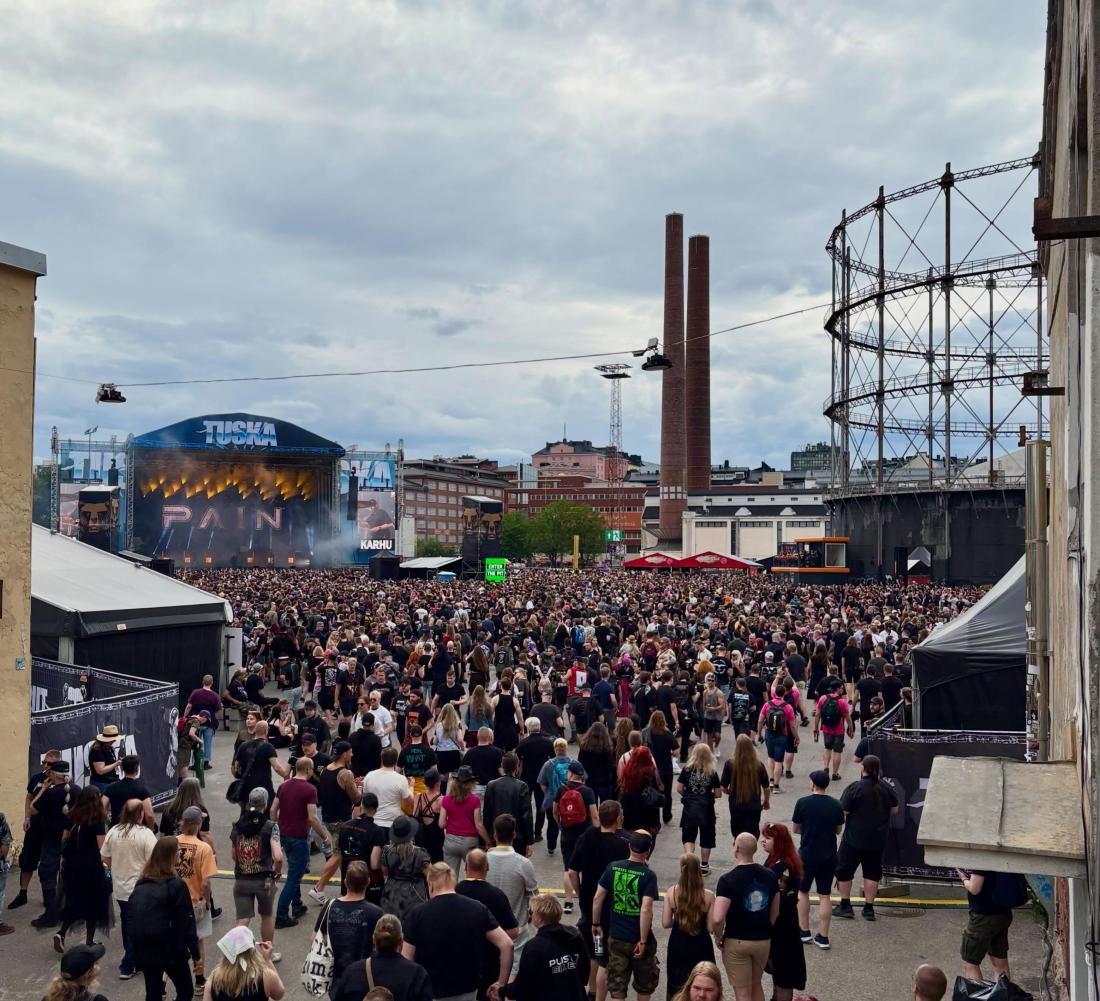
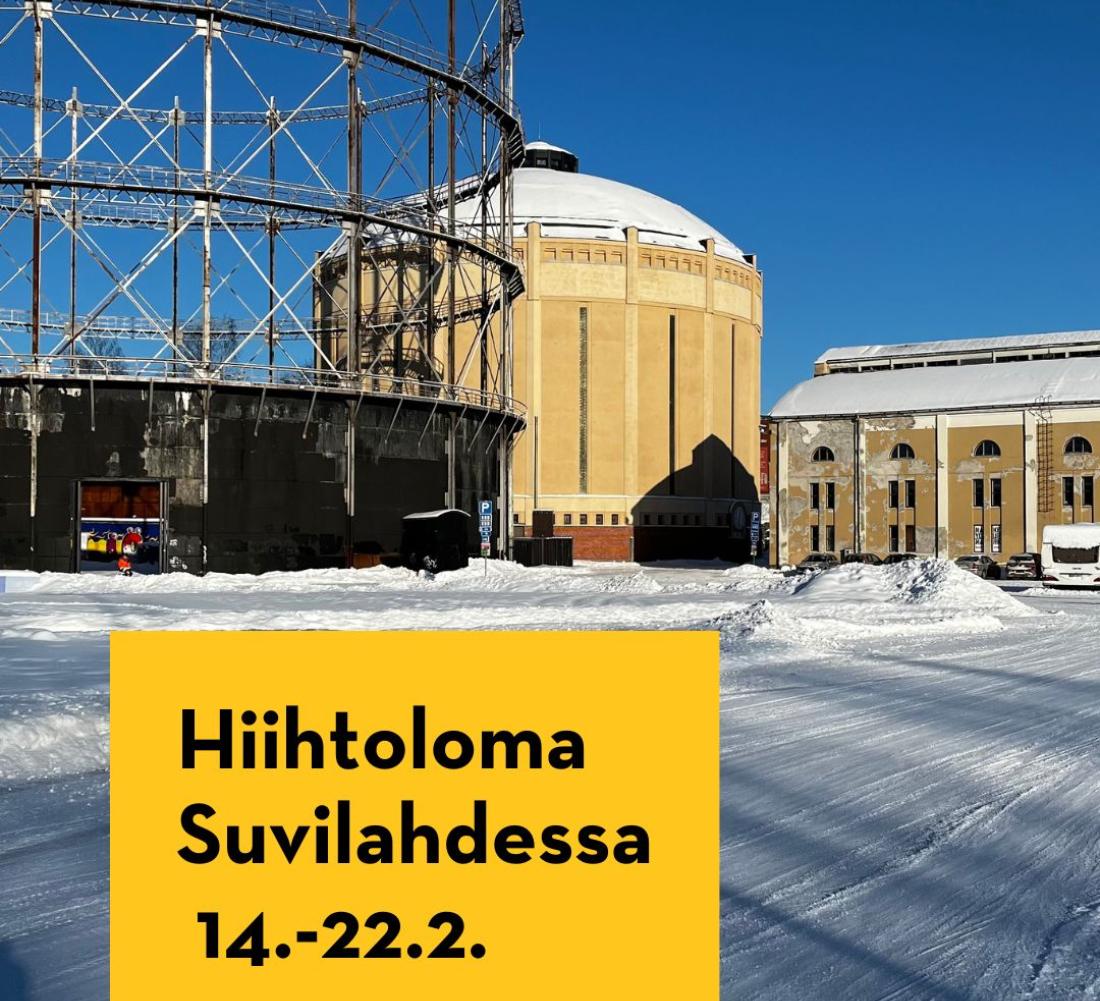
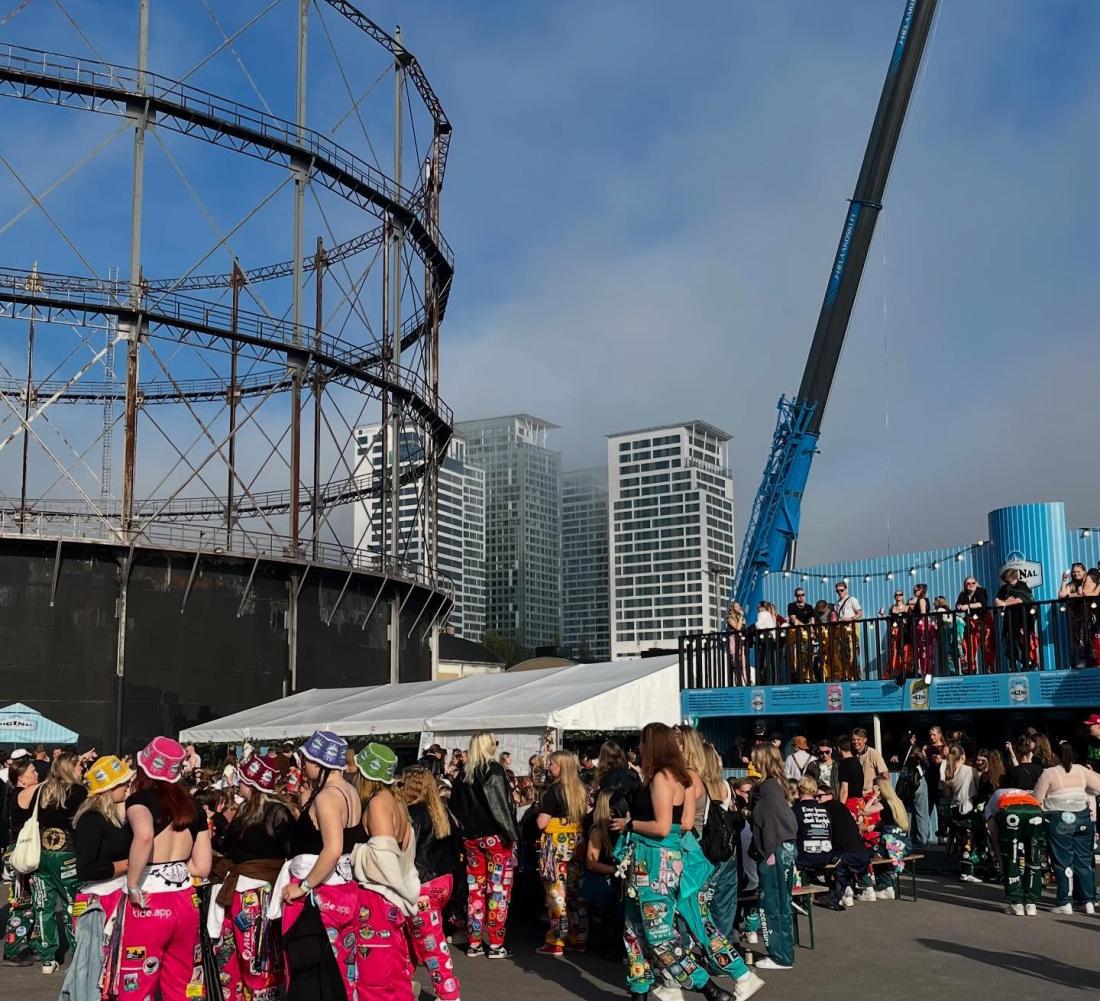
British company Superstruct is one of the world's largest festival promoters, and it also owns the Tuska and Flow festivals held at Suvilahti in Helsinki. In that sense, Mahon's presentation naturally aligned with the company's own interests. Nevertheless, her message was also consistent with an analysis carried out by KAAPELI last year.
As part of KAAPELI's strategy work, we identified a growing social demand for events in today's world. The fragmentation of media consumption - where each of us individually decides what to watch and when - has reduced the number of experiences we share in common. Social media has displaced traditional news outlets, particularly among young people. Monoculture is fading, as not even the evening news or the morning paper brings Finns together anymore.
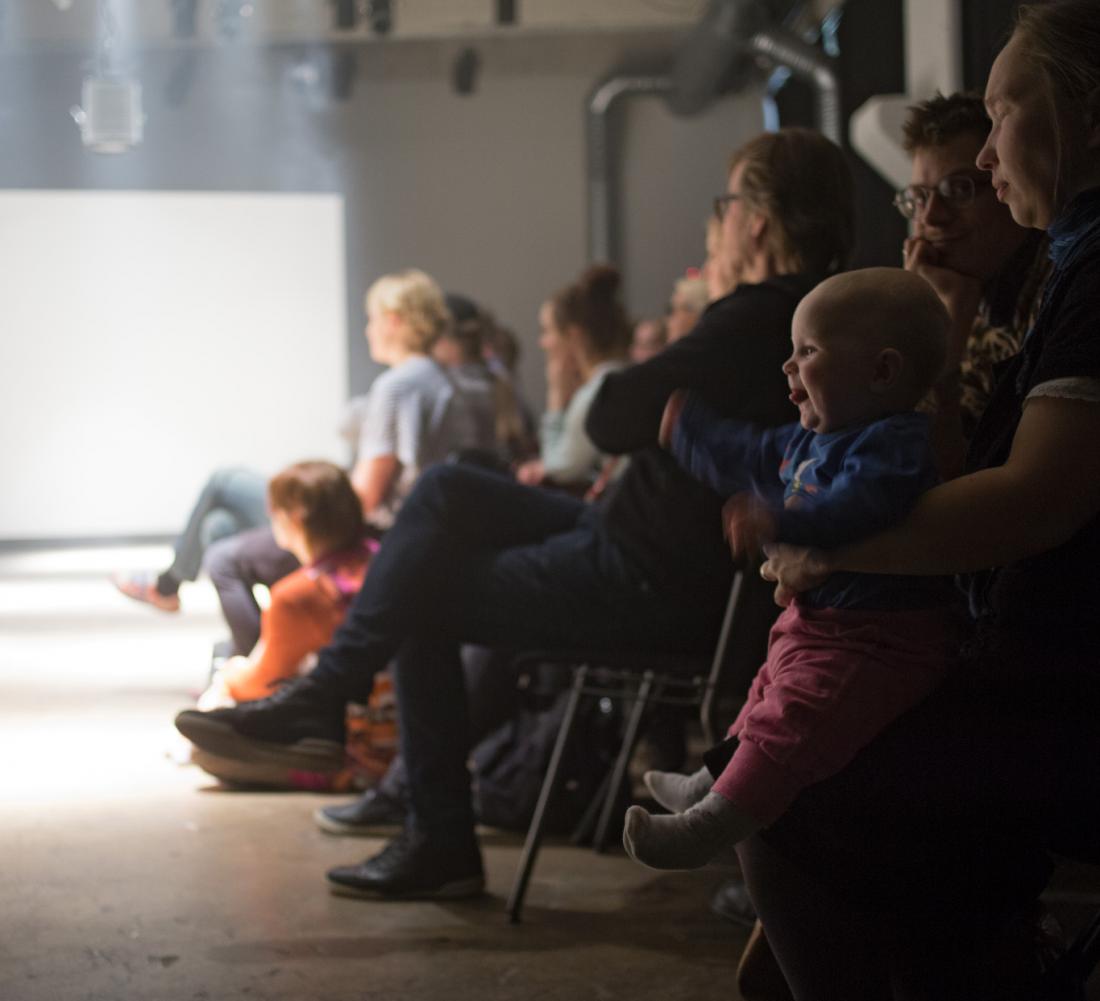
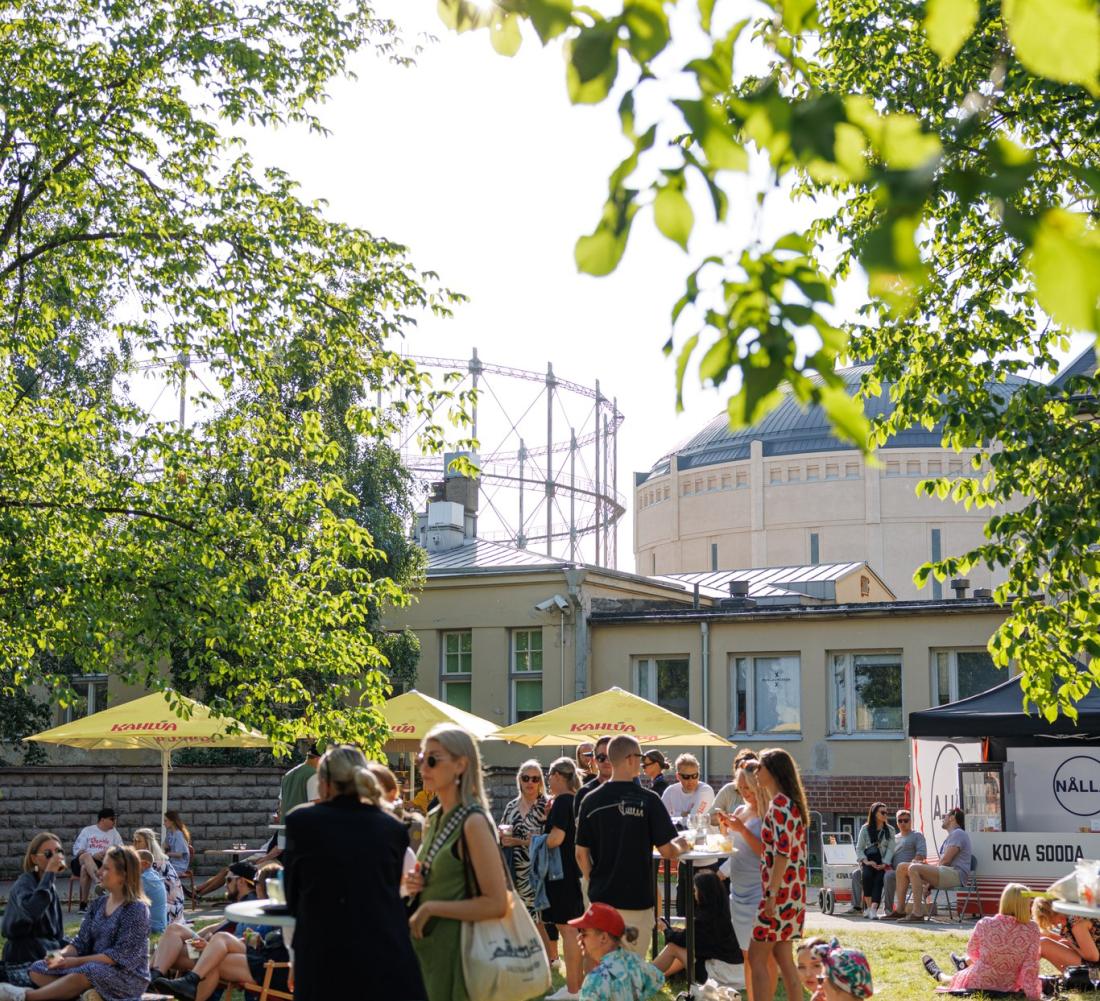
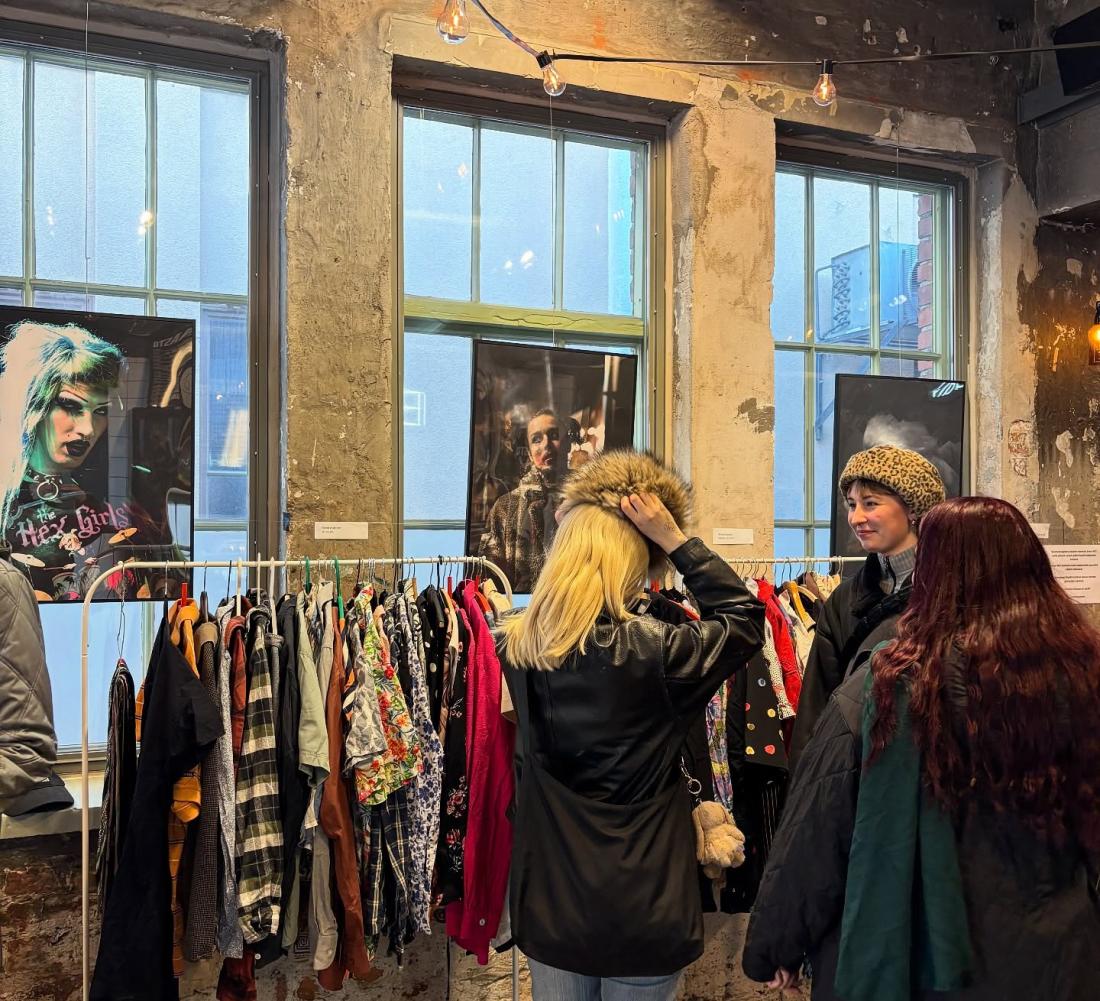
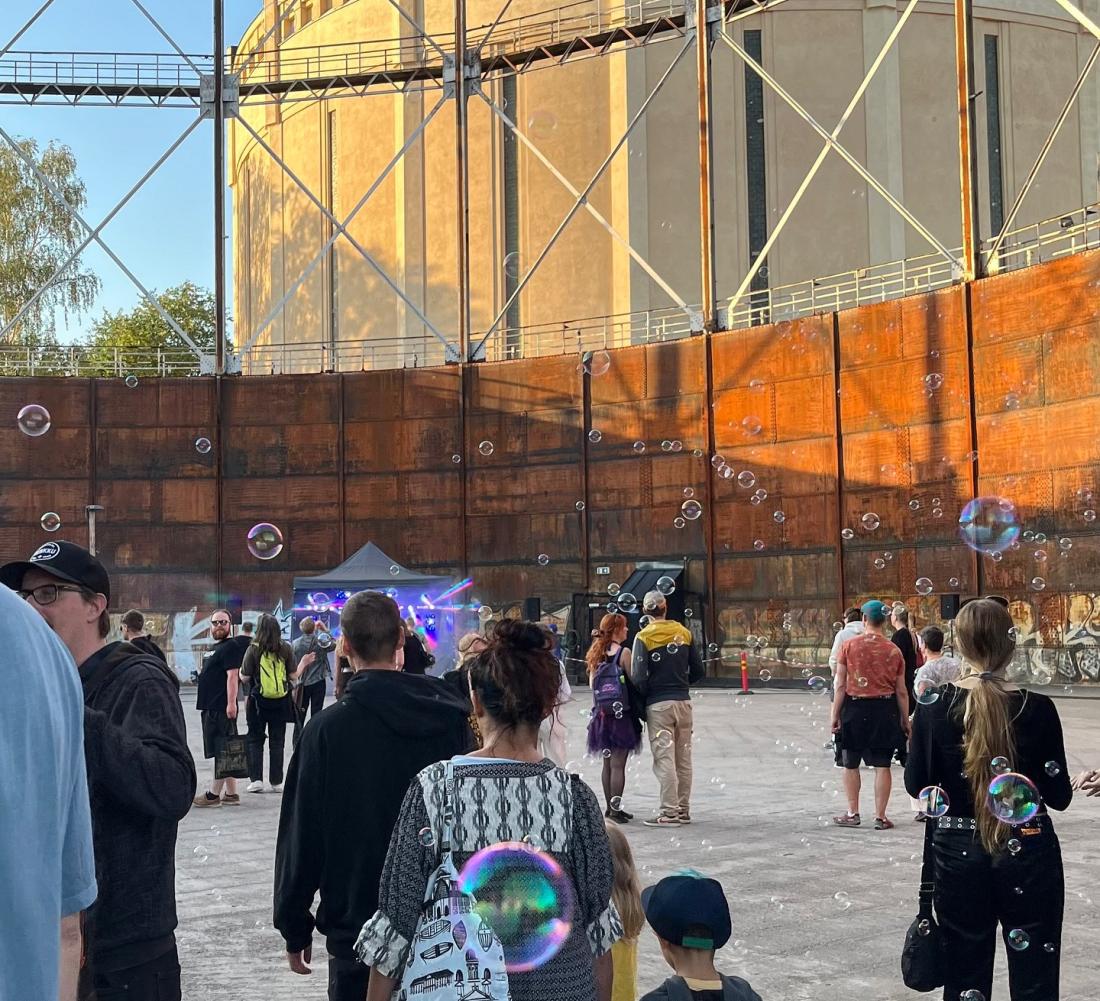
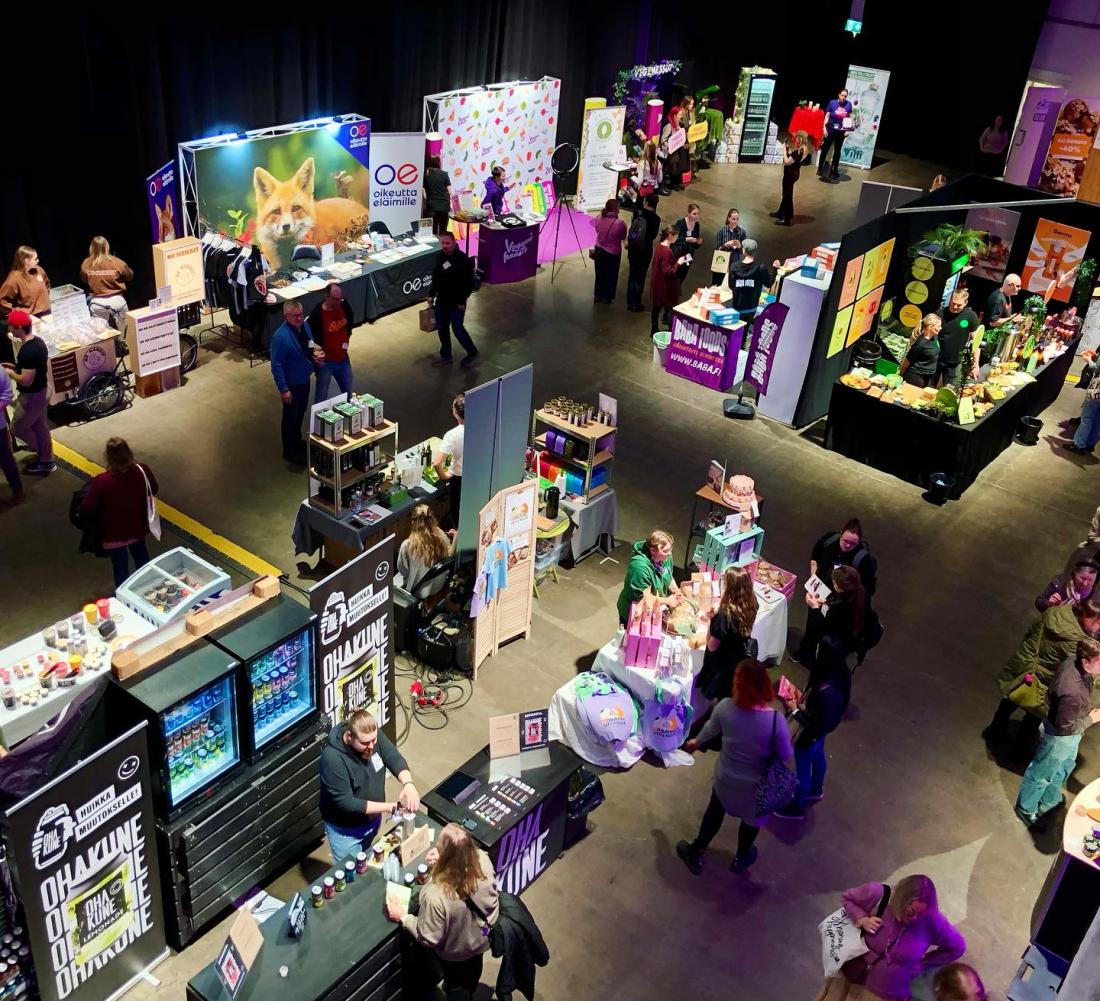
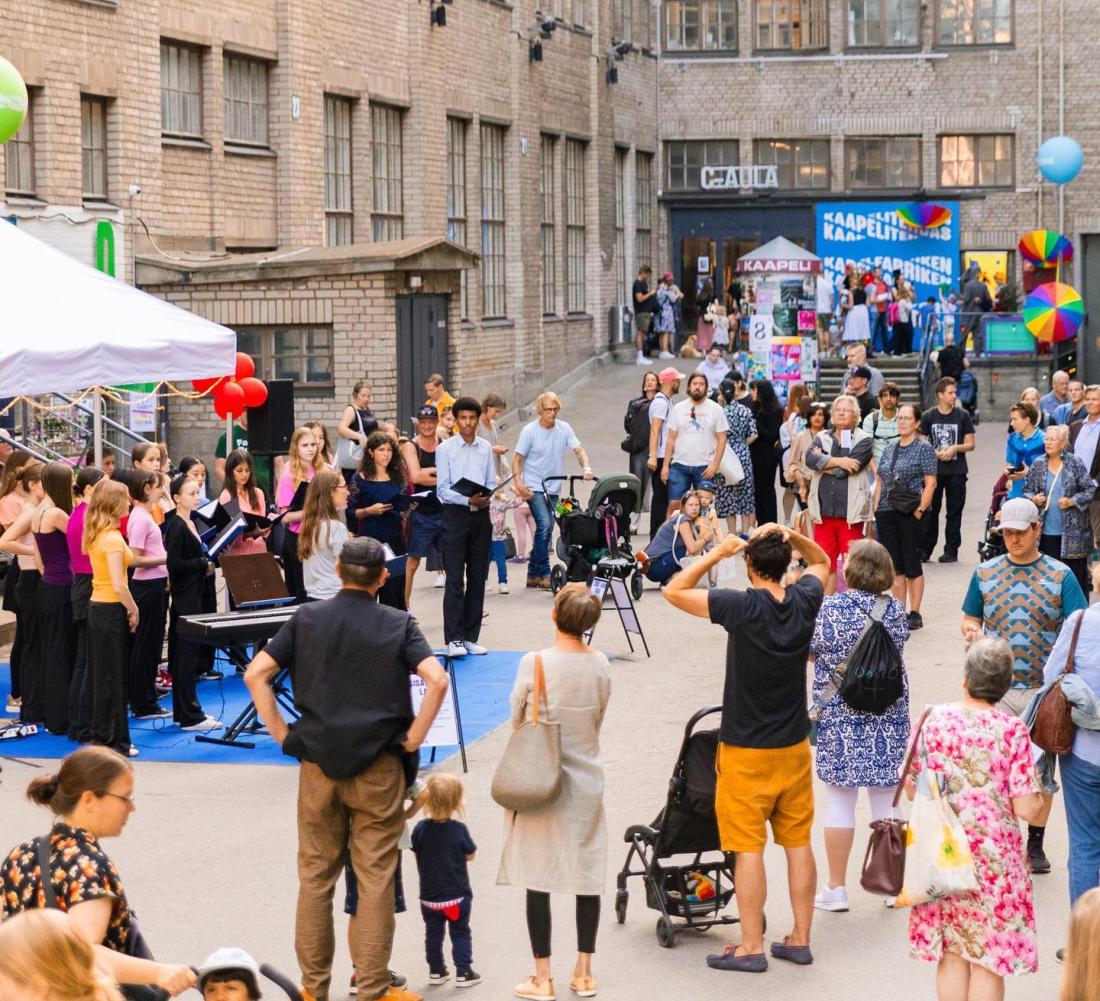
Events fill the void this has created. Whether it's Eurovision, the Finnish national ice hockey teams’ games, or the football World Cup getting underway in June, they all bring millions of people together to experience the excitement as one. Local events, from music festivals to children's spring celebrations and flea markets, serve the same purpose on a smaller scale.
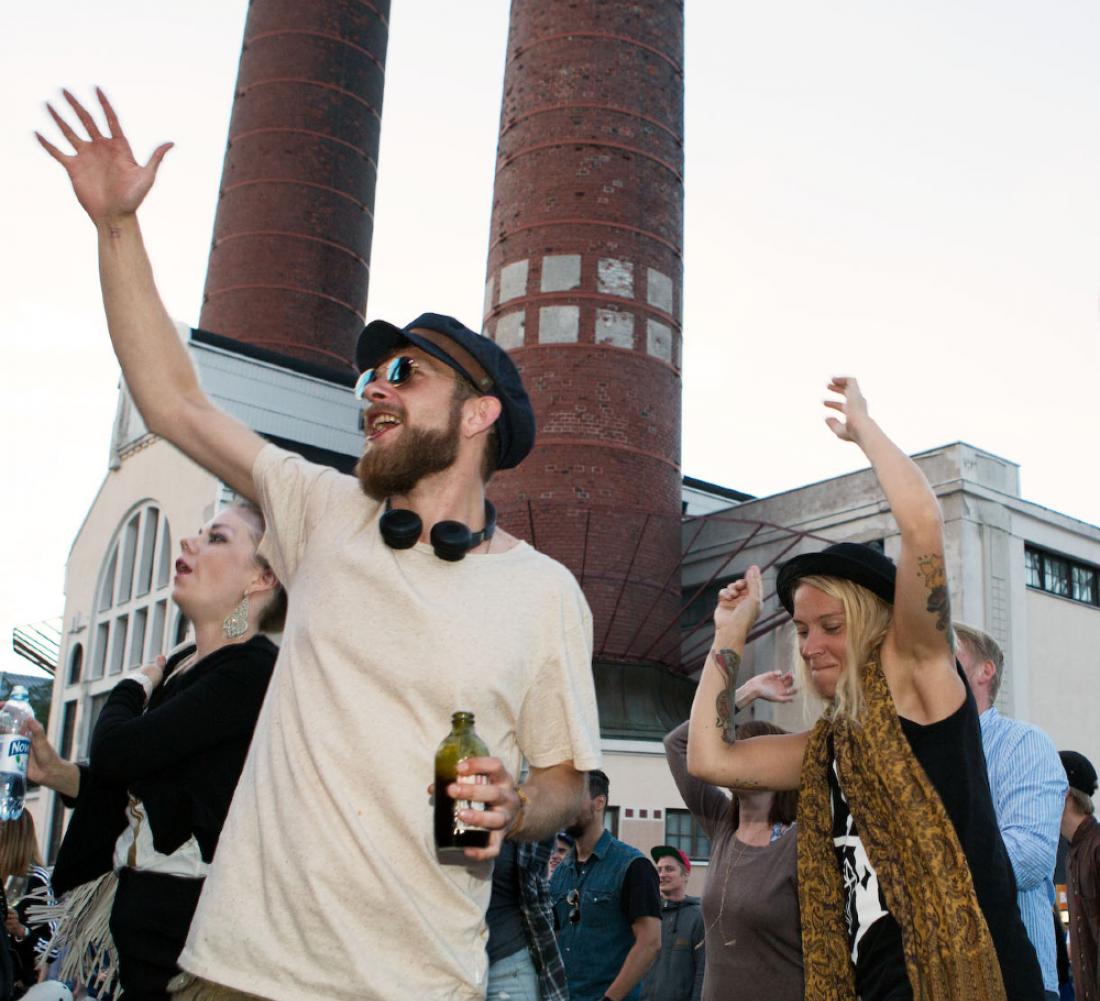
According to statistics presented by Mahon on behalf of Superstruct, music festivals have one further distinctive quality that adds to their allure. Whereas the internet and social media, once heralded as forces that would break down barriers between people, have turned into echo chambers that reinforce social bubbles, festivals have become meeting places free of social divides, where people don't feel categorised or pigeonholed.
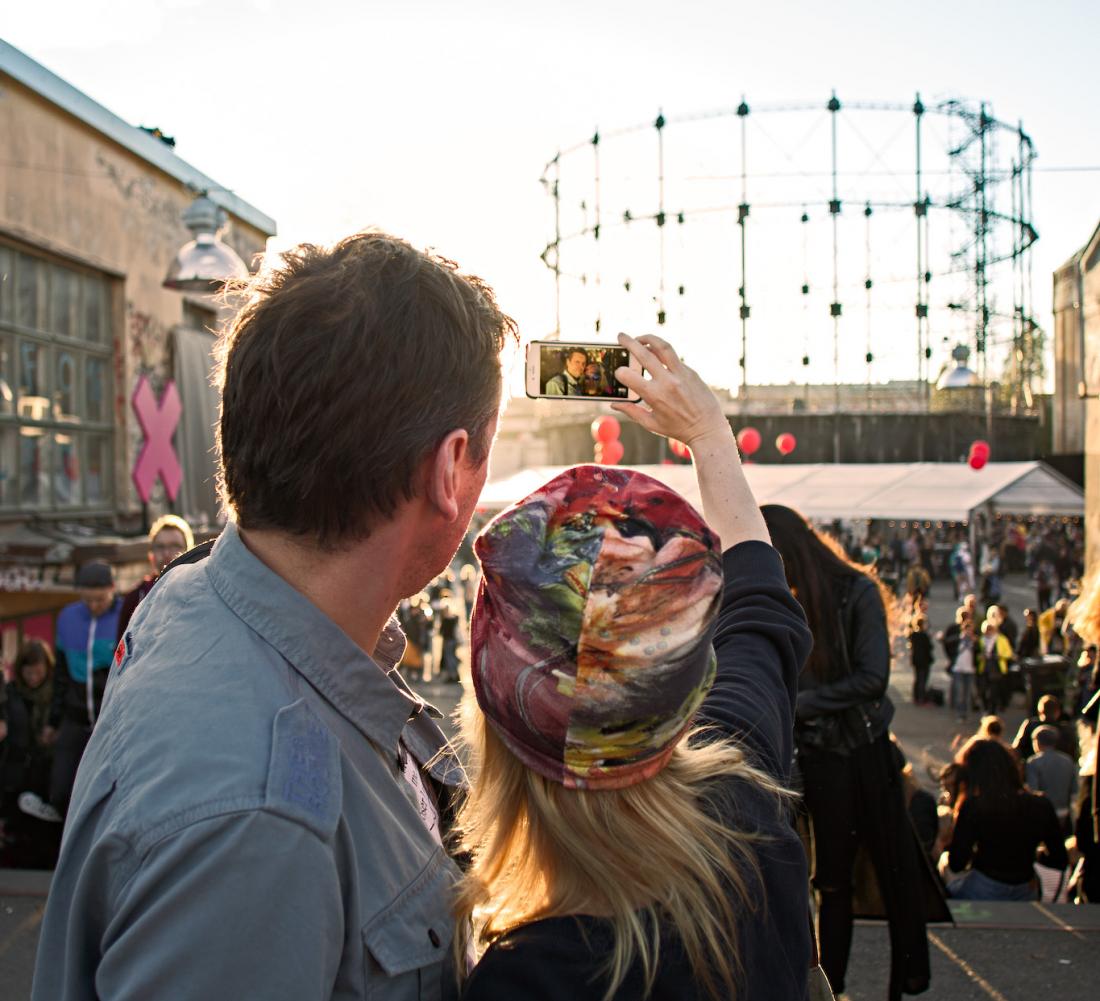
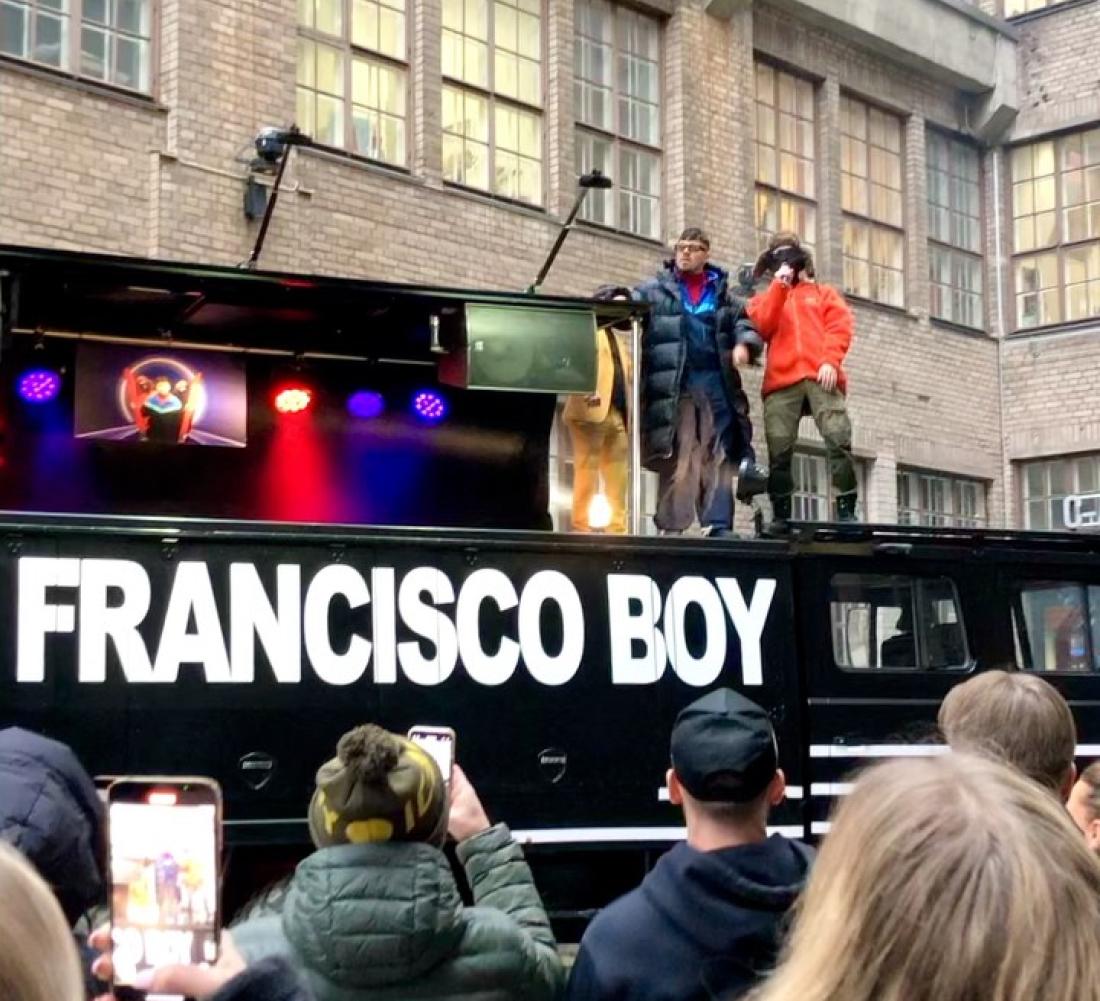
An investment banker and a nurse dance side by side in front of the concert stage, and everyone is having a great time. This holds true even though people arrive at festivals with their phones in hand. According to Mahon, festival-goers don't use their phones to isolate themselves from others, but rather to share their experiences and stay connected with fellow attendees. Superstruct therefore does not restrict phone use at its festivals, as is common practice at traditional concerts, but instead harnesses it to enhance the overall festival experience.
I found something genuinely compelling in Mahon's message, something that all of us working in the cultural sector would do well to keep in mind: bring people together on equal terms, embrace new technology, and trust in the power of content and the judgement of our audiences.
- Kai Huotari, managing director of KAAPELI